RENOVATOR’S SCORE CARD
Professionalism (Score: 8.0 – Superior)
Hausmark Inspector Experience:
From the moment we arrived at Go Design, intentionally early to quietly assess the designer’s readiness, the experience unfolded with a mix of professionalism and warmth. Although the doorbell took a short while to be answered, we soon realised he had been coming down from his upstairs office, and he greeted us with a friendly, composed demeanour before inviting us into a showroom filled with a distinctive fragrance from both their in-house scent and the neighbouring perfume distributor.
After the initial greeting, he made a strong first impression with a patient, structured walkthrough of the installations on Level 1, explaining kitchen mechanisms, lighting logic, tabletop and sink considerations, and the balance between cost and quality. His ability to share lived-in insights, such as optimising dining placement for walking space, maximising natural daylight to reduce electricity usage, and planning electrical and water points with foresight, demonstrated a designer who thinks beyond aesthetics and into real homeowner experience.
Even when Hausmark inspectors intentionally rejected physical meetings and requested updates solely via WhatsApp, he remained impressively versatile, delivering clear, concise, and visually descriptive explanations that felt almost like an on-site walkthrough.
Across the full engagement cycle, from requirements gathering and quotation discussions to floor plan walkthroughs, 3D confirmations, and revision rounds, his methodical approach stood out. He took time to understand lifestyle factors such as pets, elderly family members, young children, hobbies, and thematic preferences, and his sharp observations on structural constraints gave us confidence that he was not merely designing but actively safeguarding homeowners from common renovation pitfalls.
His sincerity was evident throughout, expressed through thoughtful questions, careful listening, and a genuine desire to help homeowners make informed decisions. What truly distinguished him, however, was his enthusiasm for being a “site person, he repeatedly shared how much he enjoys visiting the renovation site, making him an ideal choice for homeowners who value frequent, hands-on updates and a designer who is physically present, engaged, and committed to ensuring accuracy and clarity at every stage of the renovation journey.
Fun Fact:
Homeowners should always request, and renovators should commit to a clear frequency of site visits and a defined method of updates, because structured, predictable communication prevents costly mistakes and keeps the renovation aligned with real-time site conditions.
Customer Engagement (Score: 7.0 – Strong Performer)
Hausmark Inspector Experience:
GoDesign operates strictly by appointment, yet the entire process was smooth: a callback within a couple of working days, a confirmed slot, and a designer already waiting when we arrived. The engagement began with a full walkthrough of their two-storey showroom, a thoughtful sequencing that grounded us in installations, carpentry construction, lighting logic, and material differences before any formal discussion. The designer demonstrated strong technical command, patiently explaining pros and cons across materials and mechanisms, which was especially valuable for first-time homeowners. We assess that the requirement gathering was sincere and well-paced, with thoughtful questions about lifestyle and lived-in conditions that felt genuinely considered.
After the quotation was issued, the follow-up cadence was notably well-spaced; our Hausmark inspectors deliberately ignored the initial follow-up to test responsiveness; and we observed that GoDesign’s reminders were measured, respectful, and provided homeowners adequate space to compare options while still offering timely, thoughtful nudges.
We were also shown a completely renovated site, where explanations were precise and confidently delivered, and every question was handled with clarity and care.
Overall, the first meeting and subsequent follow-up reflected a structured, educational, and homeowner-centric approach that left a strong impression of professionalism and depth.
Project & Site Management (Score: 8.8 – Strong Performer)
Hausmark Inspector Experience:
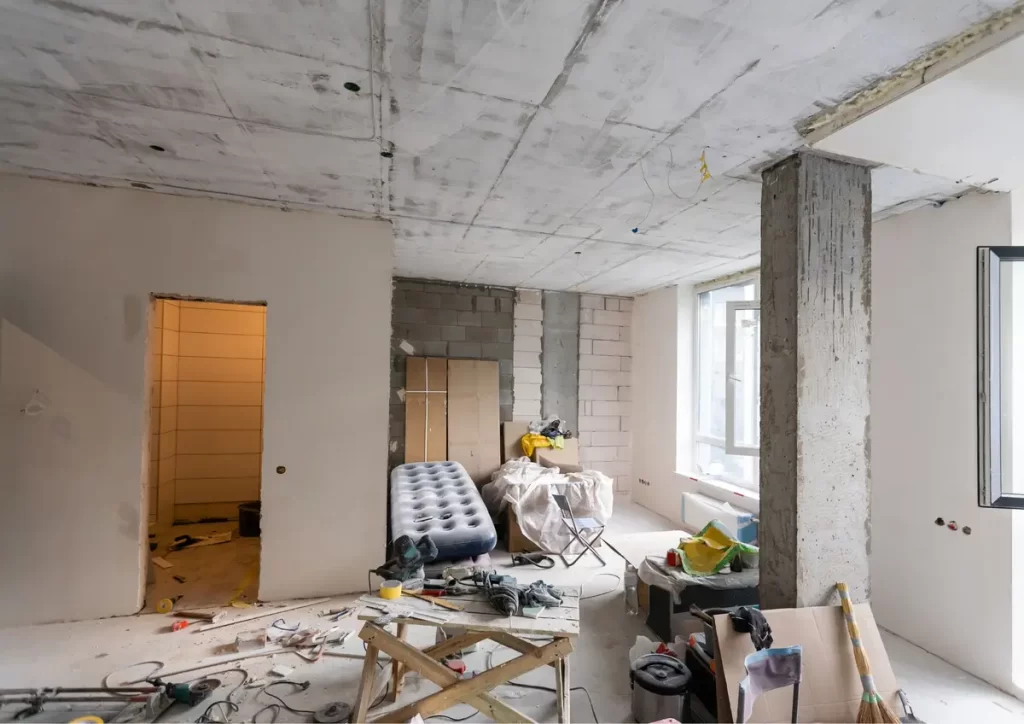
During our site visit, we were brought to a partially completed HDB flat at the tiling stage, an ideal point for Hausmark inspectors to assess disposal protocols, material handling, and overall worksite discipline. Wet works had been completed, and the electrical wiring was already neatly tied up and clearly labelled, signalling a team that understood the importance of organisation even before the final finishes were installed.
As we walked the unit, the designer’s role as a site manager became immediately evident. He personally walked us through each area, explaining his scope of responsibility and highlighting how he enforces strict standards for cleanliness and safety. The worksite itself was almost spotless: no rice boxes, no cigarette butts, no loose debris, no random waste, a rare sight in renovation environments and a direct reflection of his emphasis on maintaining a disciplined workspace.
What we saw on site aligned perfectly with what he had shared earlier about his expectations for contractors and workers, and it became clear why the unit was kept so clean and organised: he is a genuine “site person,” someone who visits frequently, checks details personally, and ensures every step is executed according to plan.
During the walkthrough, he explained the design intent behind each zone, from spatial flow to functional considerations, and emphasised how neatness and organisation extend even to areas homeowners will never see, such as wiring above false ceilings or cabling concealed behind cabinetry. He stressed the importance of proper wire management and labelling not only for aesthetics but for future-proofing, safety, and ease of maintenance. Poorly managed wires can become fire hazards, complicate fault-finding, and create long-term risks, whereas disciplined routing and clear labelling ensure that future repairs or upgrades can be done safely and efficiently. His attention to these concealed details demonstrated a level of technical foresight that goes beyond typical design conversations.
Overall, the site visit strengthened our confidence that this renovator is not only strong in design intent but also deeply committed to safeguarding the renovation process through disciplined site management, technical rigour, and a hands-on presence that ensures the project stays aligned with both safety standards and homeowner expectations.
Fun Fact:
Wet works cover all the heavy, foundational construction tasks at the start of a renovation, including hacking and demolition of existing finishes, waterproofing and ponding tests, floor screeding to achieve correct levels, plumbing rerouting for new water and drainage points, and masonry works such as building kerbs or bases. These steps create the structural groundwork needed before tiling, electrical routing, and carpentry can proceed safely and accurately.
Design Standards (Score: 8.0 – Superior)
Hausmark Inspector Experience:
Now and then, we meet designers whose experience is unmistakable, and from the way they dissect layouts, anticipate pitfalls, and explain lived-in implications, you can tell they’ve gone through countless renovation cycles and understand exactly where homeowners risk costly rectifications or early regret.
Our assigned designer was one of these rare profiles, thoughtful, seasoned, and deeply practical. He offered maintenance-driven insights such as bathroom sewage design for easy hair removal to prevent blockage, highlighted how certain placements affect long-term usability, and consistently maintained transparency about design limitations, spatial constraints, and unavoidable trade-offs.
Despite the tight floor plan, he proposed solutions that were both realistic and impressively innovative; the small kids’ room was a standout, where he managed to fit a study table, two beds, and a larger wardrobe while still preserving daylight flow and circulation space, demonstrating strong spatial intelligence.
His minimalist direction created visual spaciousness while accommodating multiple installations, and Hausmark inspectors noted the clever mechanisms, thoughtful sequencing, and his willingness to explain timelines, tile origins, pricing differences, and even how certain materials age over time. He went further by recommending dining tables, chairs, and larger furniture pieces to prevent future clutter and ensure the final home maintains balance and breathing room.
Beyond aesthetics, he factored in maintenance ease, daily usability, pest-related considerations, and long-term resilience, reflecting a rare blend of honesty, technical depth, and homeowner-centric thinking, making this renovator particularly suitable for tight spaces, complex requirements, and homeowners who value clarity, foresight, and practical intelligence.
Fun Fact:
Modern renovation planning can include hair-removal provisions in bathrooms and floor traps to prevent sewage blockage. Designers can integrate smoother drainage gradients, easily removable strainers, and accessible trap covers so residents can clear hair buildup quickly. This small detail dramatically reduces clogging risks, keeps sewage flow healthy, and ensures long-term live-in hygiene, a hallmark of Hausmark’s safety-first standards.
Fun Fact:
Avoid hiding air-con piping behind built-in cabinets. Carpentry often outlasts air-con pipes, and if a gas leak or pipe failure occurs, the entire cabinet may need to be dismantled, a costly, invasive process. A smarter approach is to box up the piping instead of burying it inside carpentry. Box-ups are easy to open, easy to repair, and preserve both maintenance access and long-term hygiene, fully aligned with Hausmark’s live-in safety standards.
Additional Information
- Layout Diagram is provided even before confirmation in fact, the designer provided some simple 3D sketchup even before payment of deposit.
- 3D Rendering will be provided upon initial deposit.
- 2 Edits for 3D rendering
Eco-Social Responsibility (Score: 5.0 – Baseline)
Hausmark Inspector Highlights:
The renovator shows an understanding of the sustainability standard and has incorporated environmental compliance into their work. All carpentry wood is prepared using low-formaldehyde eco-wood.
Showroom Quality & Craft (Score: 7.0 – Strong Performer)
Hausmark Inspector Highlights:
GoDesign’s two-storey showroom offers a warm, quietly confident expression of its 40-year contractor heritage, beginning even before you step inside. The drive-in takes you past the reservoir greenery and the famous prata stretch, leading to a newer industrial building with ample roadside parking. Slightly out of the way for MRT-reliant visitors, but absolutely worth the trip for those seeking a mature, legacy-backed ID firm.
At the entrance, GoDesign’s vision, mission, and values form a deliberate, confidence-setting prelude, not just wall décor, but a clear declaration of what the firm stands for. The statements are displayed in a clean, structured format that immediately communicates heritage, responsibility, and builds integrity. Instead of flashy marketing lines, the presentation feels grounded and mature: a legacy contractor affirming its commitment to craft discipline, honest workmanship, and practical, homeowner-centred design. It sets the tone for the entire visit, signalling that you’re stepping into a firm guided by long-held principles rather than trends.
A gentle fragrance greets you upon entry, opening into a clean, well-lit first floor featuring kitchen mock-ups, organised display zones, and workmanship that clearly reflects decades of practical build experience. Thoughtful nooks, purposeful mechanisms, and clever cabinet considerations showcase the on-site maturity of a seasoned contractor, with practicality and lived-in usability guiding every detail. Level two offers a cosy discussion area with a strong spread of laminate and tabletop samples, alongside a prominent wall of certifications and accreditations that reinforces GoDesign’s long-standing credibility. Overall, the showroom is simple yet well-equipped — functional without clutter, modern without coldness, and designed to help homeowners explore possibilities with clarity and confidence.
Fair Pricing & Terms (Score: 8.0 – Superior)
HAUSMARK Inspector Highlights:
Our assessment of GoDesign’s quotation showed a high level of clarity, structure, and homeowner-friendly transparency. Every category was detailed and itemised, with costs clearly explained and no hidden charges, making it easy for homeowners to understand exactly how the total amount was derived. The scope of work for each section was clearly listed, supported by a preceding paragraph outlining design and professional services, including design consultation, 3D proposals, and concept development, all marked as inclusive.
While Hausmark’s preference is to assign a clear dollar value to these professional services for maximum transparency, we also recognise that many renovators treat these items as standard inclusions. It is not unique to GoDesign, and certainly not a deal breaker. Homeowners who prefer more granularity can simply request that the firm spell out the numbers, and given GoDesign’s maturity and openness, they will almost certainly be willing to do so.
As a CASETrust-registered company, their after-sales warranty and payment terms were also well documented, reinforcing confidence in the process. The payment schedule follows an impressive 5 stages, beginning with a 10% deposit and ending with a 5% retention, fully aligned with CASETrust recommendations.
From the ID firms Hausmark has visited, GoDesign is one of the rare few that break the payment quantum into five distinct stages, a structure that gives homeowners more control, more checkpoints, and less financial exposure at every step.
- Smaller Payouts – More stages mean each tranche is smaller, easing cash flow and reducing upfront risk.
- More Checkpoints – Every additional stage becomes a progress-verification point before releasing money.
- Higher Transparency – Clear sequencing helps homeowners track work against payment with confidence.
- Stronger Protection – A structure aligned with CASETrust safeguards ensures accountability throughout the project.
GoDesign’s Terms & Conditions are presented directly within the quotation, rather than in a separate document, a practice Hausmark inspectors noted as clear, intentional, and homeowner‑friendly. The T&Cs are concise, with only six straightforward clauses covering general responsibilities and expectations. There is no heavy legal jargon, no confusing phrasing, and nothing that requires a lawyer to interpret. This upfront presentation makes the process transparent from the start, ensuring homeowners know exactly what they are agreeing to.
Overall, the quotation reflects a renovator with structured thinking, transparent costing, and a practical, homeowner-centred approach, fully aligned with GoDesign’s 40-year contractor heritage.
Post-Project Support (Score: 9.5 – Exemplary)
Hausmark Inspector Highlights:
GoDesign provides a 60-month workmanship warranty from the date of project completion — one of the longest warranties offered in the renovation industry. This extended coverage reflects the firm’s deep confidence in its craft, backed by four decades of contractor experience and a commitment to long-term build reliability.
Online Presence (Score: 7.5 – Superior)
Hausmark Inspector Highlights:
GoDesign enjoys a steady, positive social-media presence, with homeowner reviews consistently highlighting high satisfaction and strong service quality. Management responses are prompt, responsible, and reassuring, reflecting real accountability and a mature approach to service recovery. Their content is also engaging and informative, offering project highlights and practical renovation insights that are genuinely worth watching. Overall, the online sentiment is stably positive, with no major issues or red-flag feedback observed, reinforcing GoDesign’s reputation as a dependable, well-run renovator guided by long-standing contractor discipline.